






Fundamentals
The technical fundamentals of industrial LED lighting — from the lumen concept to photobiological safety.
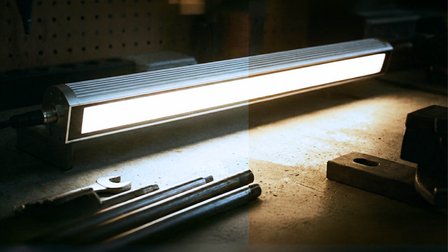
Understanding LED Light – Lumen, Lux & Color Temperature
Key LED lighting basics: color temperature, lumen, real lumen output, lux values and isolux diagrams. Clear and compact for technical applications.
Read full article →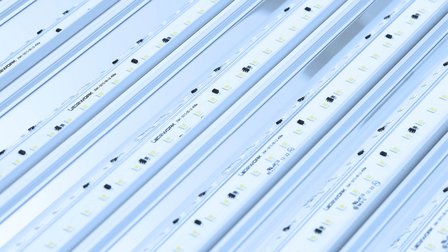
Detailed insights into LED chips – light quality, color fidelity, and modern technology.
Comprehensive information on LED chips: precise binning, high energy efficiency, color accuracy, white LEDs, and TRI technology. Clear explanations for anyone looking to better understand LED lighting quality and technic
Read full article →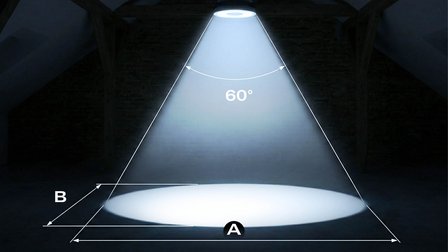
Beam Angle Explained – Light Guidance for Precise Illumination in Technical Environments
Explanation of beam angles from 10° to 125°, their impact on light distribution and illuminance, and the role of optics and reflectors. Ideal for lighting design, machine illumination, and industrial inspection areas.
Read full article →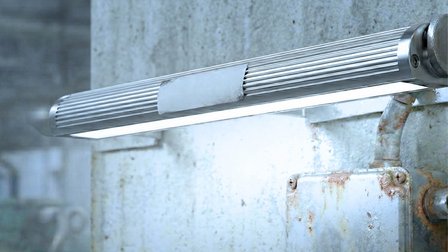
LED Lifetime & Thermal Management – Understanding Industrial Lighting
Learn how LED lifetime, L-values, and thermal management interact. Key factors, diagrams, and insights for long-lasting industrial LED luminaires.
Read full article →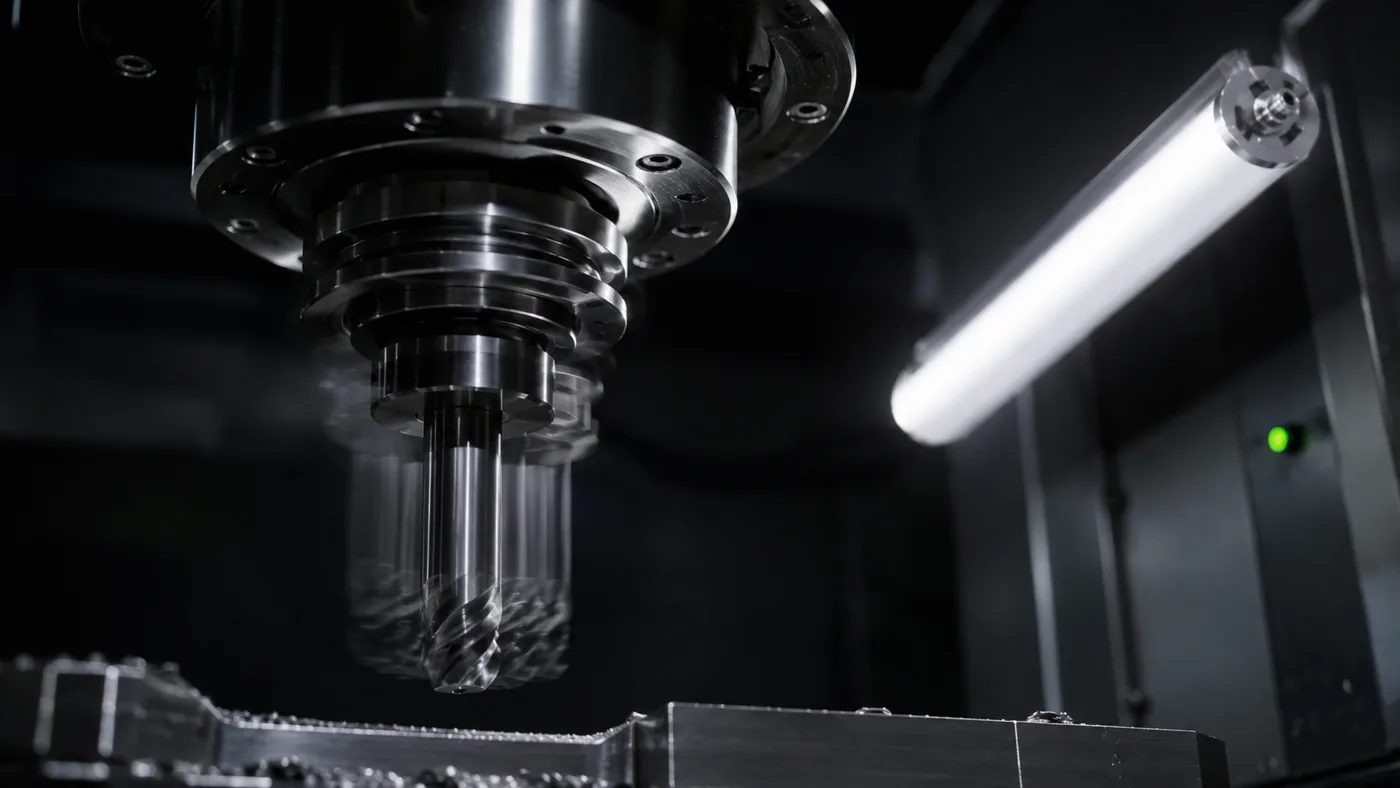
Flicker, Flimmering & Stroboscopic Effect in LED Lighting
LED flicker, flimmering and stroboscopic effects explained clearly. Key causes, technical background and stable LED lighting systems for industrial use.
Read full article →
LED Protection & Safety – IP Codes, Classes, Photobiology
Overview of IP protection ratings, protection against solid objects and water, electrical protection classes, and photobiological safety according to DIN 62471.
Read full article →Frequently asked questions
-
What is the difference between lumens and lux?
Lumens describe the total luminous flux emitted by the light source, lux describe the illuminance arriving on a surface. 1 lux = 1 lumen per square metre.
-
What does the IP rating of a LED luminaire mean?
The first digit indicates protection against solid objects, the second against water. IP65 = dust-tight and protected against water jets; IP69K additionally protects against high-pressure and hot-water cleaning.
-
What does L70B10 mean?
L70 means the LED still delivers ≥ 70 % of its initial luminous flux after the stated operating hours. B10 means at most 10 % of the LEDs fall below that value before then. A typical industrial standard is L80B10 at 50,000 h.
-
What is UGR and which value is appropriate?
UGR (Unified Glare Rating) evaluates the psychological direct glare from luminaires in a room. DIN EN 12464-1 typically requires UGR ≤ 22 for industrial workplaces and UGR ≤ 19 for screen workstations and visual inspection.